
01 · One shrimp
Blue Dream shrimp
Neocaridina davidi
A deep blue line, bred on purpose.
As a shrimp
Selectively bred from Neocaridina davidi; wild ones, from Taiwan, China, Korea and Vietnam, are mottled brown. Under about an inch; females are larger.
Behaviour
Grazes all day, picking the film of algae and bacteria off plants, stone and glass.
Its job here
Keeps the bowl clean of film and leftovers.
Facts
- Size
- Under about 1 in
- From
- A bred line of a shrimp from Taiwan, China, Korea and Vietnam
- Water
- 65 to 85 °F
Wikipedia, Neocaridina davidi; The Shrimp Farm, Blue Dream care
Low techNeo shrimp bowl
A bowl that runs itself.
A 5.3 gallon glass bowl of soil, plants and blue shrimp. No filter, no heater, no CO2.
01The glass
A bubble of glass.
Hand-blown, 12 inches tall and 13 wide, with a 7.5 inch opening.
02Soil
Soil first.
Plain potting soil that feeds the roots from below.
03The cap
An inch of sand.
Just enough to hold the soil down.
04Hardscape
Stone and wood.
Seiryu stone and small wood: somewhere for moss and Anubias to hold on.
05Plants
Then the green.
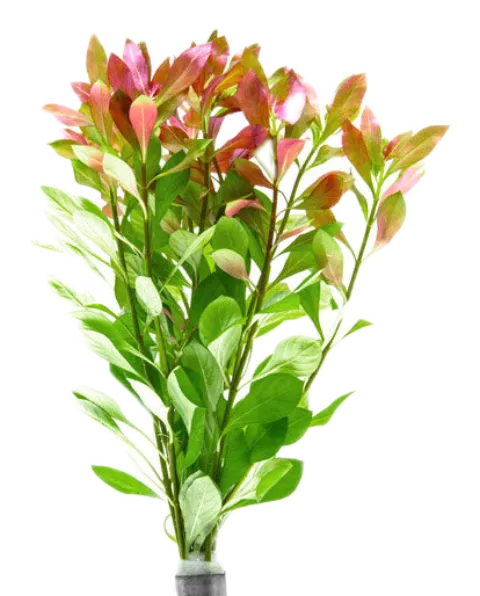
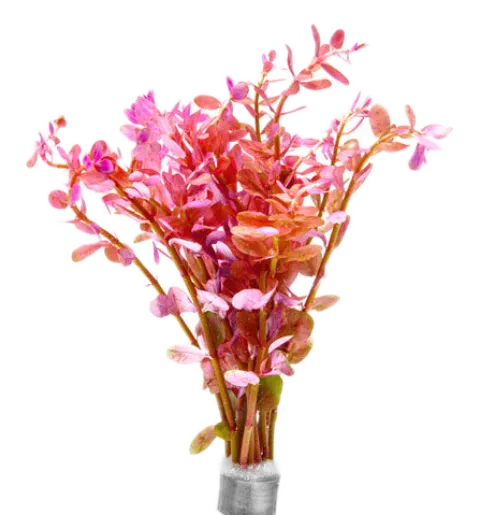
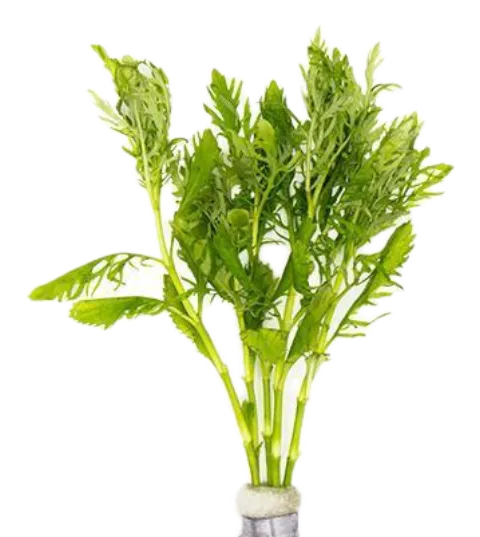
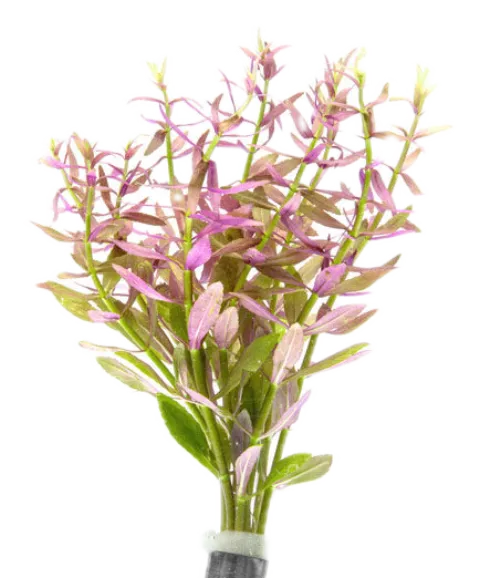
Four stem plants, crypts, Anubias and Christmas moss.
06Water
Filled slowly.
Poured gently, so the soil stays where it is.
07Floating
Salvinia on top.
Shade, cover, and a head start on algae.
01Low tech
No filter. No heater. No CO2.
Plants as the filter
Plants take up ammonia, the toxic part of waste, straight from the water.
Slow on purpose
Months to fill in; a trim about once a month.
02The Walstad method
Built from the bottom up.
Named after Diana Walstad, who keeps shrimp in bowls like this one: soil, sand, plants, water. No filter.
- 01 · Soil
Soil at the bottom.
About an inch of plain potting soil, with no added fertiliser, soaked overnight. As it breaks down, it feeds the roots and gives off the CO2 the plants use.
- 02 · Sand cap
Sand on top.
Just enough sand to hold the soil down. Kept thin, so oxygen still reaches the soil: soil with no oxygen kills roots.
- 03 · Roots
Plants go in first.
The plants are set into the wet soil, then the sand goes over their roots. Stems stand up through the cap; roots stay down in the soil, where the food is.
- 04 · Water
Water, slowly.
Poured over a hand so the soil stays put. The first cloudy water is changed once or twice, until it runs clear.
- 05 · Clean water
Plants are the filter.
Plants take up ammonia, the toxic part of shrimp waste, and prefer it to other food. Bacteria in the soil break down the rest.
- 06 · Water changes
Almost none.
In Walstad's own bowls: a little pruning, and topping up what evaporates. The exception is the first few weeks: new soil gives off ammonia, so the shrimp wait (here, about a month) and the water is tested.
03Plants
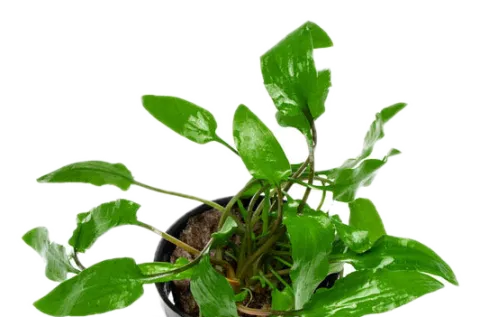
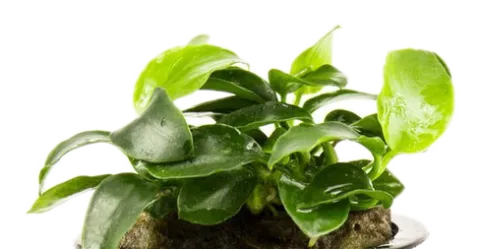
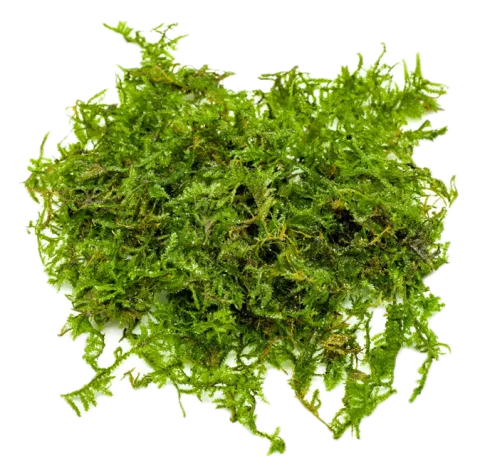
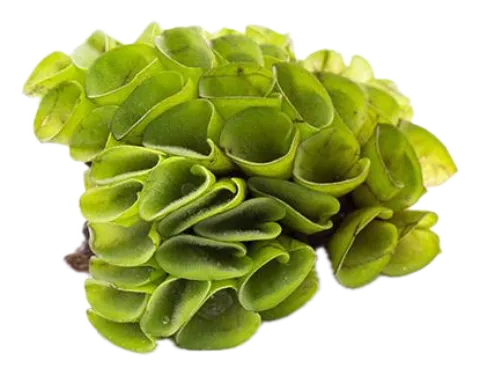
Each plant has a place.
04Nitrogen cycle
Waste in. Clean water out.
New soil, first weeks
New soil releases ammonia. The shrimp wait about a month.
05Neocaridina davidi
Blue, by design.
Blue Dream, bred from Neocaridina davidi. In the wild they are mottled brown.
A grow-out bowl
The colony breeds here, and its young restock the showcase tank.
00Livestock
Blue, by the dozen.
02 · The colony
The colony
Neocaridina davidi
How one becomes many.
Eggs
A female carries 20 to 30 eggs under her tail.
No larva
They hatch as tiny copies of the adults, about 1 mm long, with no larval stage, so the colony grows in fresh water.
One colour
Mixed colour lines give mixed or dull young, so the bowl keeps one blue line.
06Timeline
Plants first. Shrimp later.
- NowSetting up
Soil, sand, stone and wood in; the plants arriving.
- About a monthPlants grow in
Roots spread, the biofilm builds.
- ThenBlue Dream shrimp
One pure colour line, with ramshorn snails.
07Side by side
One house. Four ways to live.
- Showcase tankHigh techCO2, strong light, a filter and plant food. Fast growth, a water change each week.
- Neo shrimp bowlWalstadSoil feeds the plants; plants and bacteria clean the water. Top-ups, little else.
- Opae ula bowlBrackishThe film on the rock is the food. No plants, no filter, no water changes: top up with distilled.
- Betta tanksOne fish eachA gentle filter and heater, plants on wood, no CO2. Each betta lives alone; a part water change each week.
07The tanks
Five tanks, one house.
00Gear list
What it is made of.
The gear list
- Glass bowl5.3 gal, hand-blown, 13 in wide
- Potting soilAbout an inch, no added fertiliser: feeds the roots
- Sand capAbout an inch, holds the soil down
- Seiryu stone and small woodSomewhere for moss and Anubias to hold on
- Stem plantsLudwigia, Rotala, Water wisteria, Limnophila
- Cryptocoryne wendtiiA rosette in the front
- Christmas mossOn the wood
- SalviniaFloating, for shade and cover
- No filter, heater or CO2The plants and the bacteria do the work